
Small game hunting
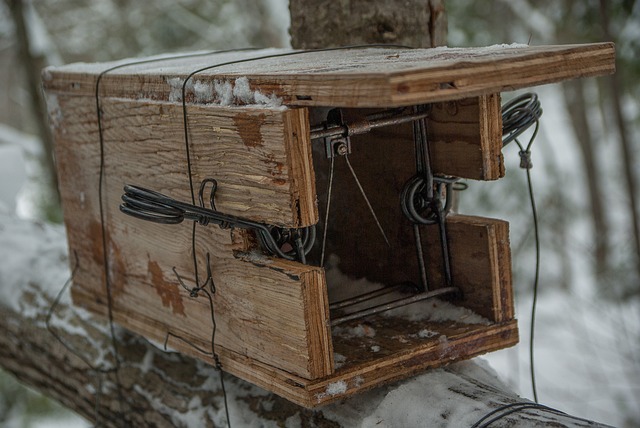
Using small game traps is a practical and effective way to catch small animals like rabbits, squirrels, and raccoons, whether for survival situations, pest control, or supplemental food sources. There are various types of small game traps, each suited to different animals and environments.
The most common types include snare traps, which use a looped wire to tighten around an animal’s neck or limb; cage traps, which allow animals to enter but not exit, keeping them safely contained; and body-gripping traps, which are designed to quickly and humanely catch animals upon entry. Understanding the purpose and proper use of each trap type is crucial for success.

Making snare traps is a straightforward and effective method for catching small game in survival situations. To create a basic snare, start with a length of strong, flexible wire, such as 20-24 gauge, or durable cord like paracord if wire isn’t available. Form a small loop at one end and twist the wire to secure it, then pass the opposite end through this loop to create a sliding noose. Anchor the snare to a solid base, such as a tree or stake, by tying the free end securely.
Place the snare along a game trail or near burrows, adjusting the height and loop size to match the target animal—around 4-6 inches off the ground for rabbits, for example. Make sure the snare is positioned to capture the animal’s head or body as it passes through. The snare works by tightening as the animal pulls against it, creating an efficient, passive trap that doesn’t require constant monitoring. For best results, set multiple snares in active areas.

A Paiute deadfall trap is a simple and effective trap used for catching small animals, utilizing a heavy rock or log to fall and dispatch prey. To make one, you’ll need a sturdy stick about 6-8 inches long for the “upright,” a shorter stick for the “lever,” a lightweight, angled “trigger stick,” and a final stick, the “bait stick,” which holds bait and triggers the trap. Start by balancing the heavy object on the upright stick, angling it to support the lever stick, which presses against the upright at a slight angle.
Attach the trigger stick under the upright with a small notch, and place the bait stick horizontally on the trigger stick, so it supports the trap and holds the bait. When an animal nudges the bait, the delicate balance is disturbed, causing the upright stick to collapse and the weight to fall, catching the animal. This trap requires careful setup and placement in areas where small game is active, and with practice, the Paiute deadfall can be an efficient survival trap.

After trapping small game, cleaning and storing it promptly is essential to preserve the meat’s freshness and prevent spoilage. Begin by laying the animal on a clean surface and making a shallow incision along the abdomen, from the chest to the lower belly, taking care not to puncture the organs, which could contaminate the meat. Gently pull out the internal organs, setting aside any you may want to keep, like the liver or heart, and discard the rest. Skinning the animal is typically easier after gutting; create small cuts around the legs and gently peel back the skin, using a knife as needed.
Rinse the meat thoroughly with cold water to remove any remaining blood or debris, then pat it dry with a clean cloth or paper towel. For short-term storage, place the meat in an airtight container or resealable bag and refrigerate for up to 48 hours. For longer storage, freeze the meat by wrapping it tightly in plastic wrap or vacuum sealing to prevent freezer burn, ensuring it stays fresh for several months. Properly cleaning and storing your catch maintains its quality and makes it safe to eat when you’re ready.



Leave a Reply