
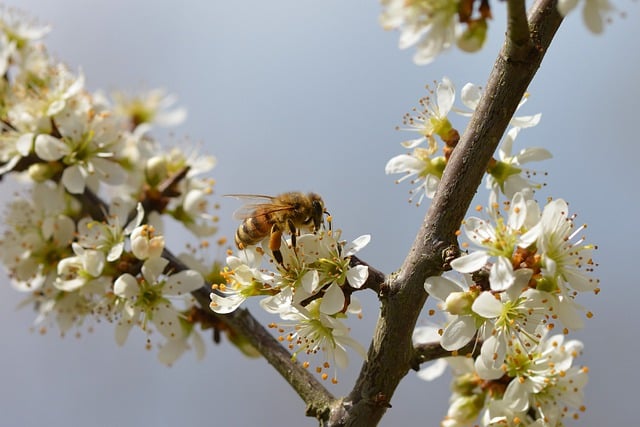
Harnessing nature for Keeping Bees and providing honey
Beekeeping is a rewarding homestead activity that not only provides honey but also supports local ecosystems through pollination. To succeed in beekeeping, it’s essential to understand the basics of bee care, housing, feeding, common issues, and the tools needed for efficient hive management and honey harvesting. Here’s a comprehensive guide to help you get started.
Bee Housing
The first step in beekeeping is providing suitable housing for your bees. Langstroth hives are the most popular due to their modular design, making it easier to inspect and harvest honey. Top-bar hives and Warre hives are other options, each with its own advantages. Place your hive in a sunny location, sheltered from wind, and ensure it has easy access to water and nectar sources. Proper placement reduces stress on the colony and promotes healthy productivity.

Feeding Your Bees
While bees primarily rely on nectar and pollen for sustenance, supplemental feeding can be necessary during times of scarcity, such as late fall or early spring. Sugar water (1:1 ratio in spring and 2:1 in fall) is commonly used. Feeders can be placed inside or outside the hive. Avoid overfeeding to prevent dependency and ensure natural foraging remains their primary food source.
Common Problems and Solutions
Beekeeping comes with challenges, including pests like varroa mites, wax moths, and small hive beetles. Regular inspections and treatments, such as oxalic acid vaporization for mites, help manage these threats. Diseases like American foulbrood can devastate colonies, so maintaining hive cleanliness and acquiring bees from reputable suppliers is crucial. Swarming, when a colony splits, is another common issue. Prevent swarming by ensuring your hive has enough space and splitting the colony if necessary.

Tools Needed
Having the right tools simplifies hive management and ensures your safety. A bee suit with a veil protects you from stings, while gloves provide extra security. A smoker calms the bees, making inspections smoother, and a hive tool is essential for prying open boxes and scraping away debris. For honey extraction, you’ll need an extractor, uncapping knife, and food-grade buckets to collect and store your honey.

Harvesting Honey
Harvesting honey is one of the most exciting parts of beekeeping. Typically, honey is ready to harvest in late summer or early fall. Inspect the frames, ensuring that at least 80% of the honeycomb is capped, indicating it’s ready. Use an uncapping knife to remove the wax seals, place the frames in an extractor, and spin to release the honey. Strain the honey through a fine mesh to remove debris before bottling it. Always leave enough honey in the hive for the bees to survive the winter.
Beekeeping requires dedication and attention to detail, but it’s an incredibly fulfilling practice that benefits your homestead and the environment. By following these care tips, you can maintain healthy hives, tackle challenges effectively, and enjoy the sweet rewards of fresh, home-harvested honey.



Leave a Reply