Keeping food at its highest quality
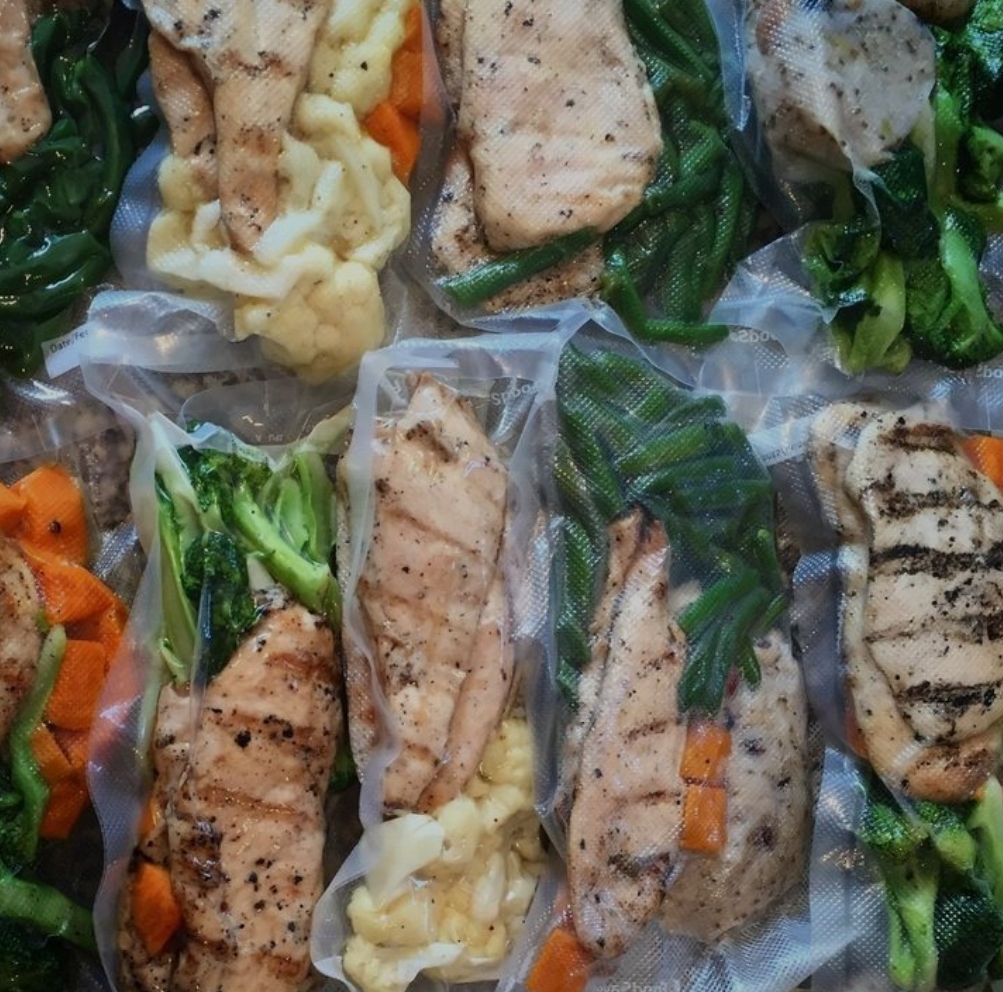
Vacuum sealing food is a transformative practice that extends the shelf life of perishable items, preserves freshness, and minimizes food waste. One of the primary benefits of vacuum sealing is its ability to create an airtight environment around the food, preventing the oxidation process that leads to spoilage.
By removing the air from the packaging, vacuum sealing inhibits the growth of bacteria and molds, ensuring that stored food stays fresher for an extended period. This is particularly advantageous for homesteaders and individuals who grow or purchase food in bulk, as vacuum sealing allows them to store seasonal produce or large quantities of meat with minimal risk of deterioration.
The preservation of flavor and nutritional value is another notable advantage of vacuum sealing food. Exposure to air can compromise the taste and quality of food over time, leading to freezer burn or the loss of essential nutrients. Vacuum-sealed packages maintain the original taste and nutritional integrity of the food. This provides a consistently high-quality eating experience.
This is especially beneficial for those who prioritize a nutrient-dense and flavorful diet, as vacuum sealing allows them to enjoy garden-fresh produce or well-marbled cuts of meat even during off-seasons.
Furthermore, vacuum sealing contributes to more efficient storage and organization. The compact nature of vacuum-sealed packages reduces the amount of space required in freezers or pantries, allowing for better utilization of storage areas. This becomes particularly important for homesteaders who often need to optimize limited space.
The prevention of freezer burn and the elimination of excess packaging also reduce the need for reorganization and sorting, making meal planning and inventory management more streamlined. In essence, vacuum sealing emerges as a practical and eco-friendly solution for extending the life of food, reducing waste, and ensuring that the flavors and nutrients of harvested or purchased items are preserved at their peak.


Leave a Reply