
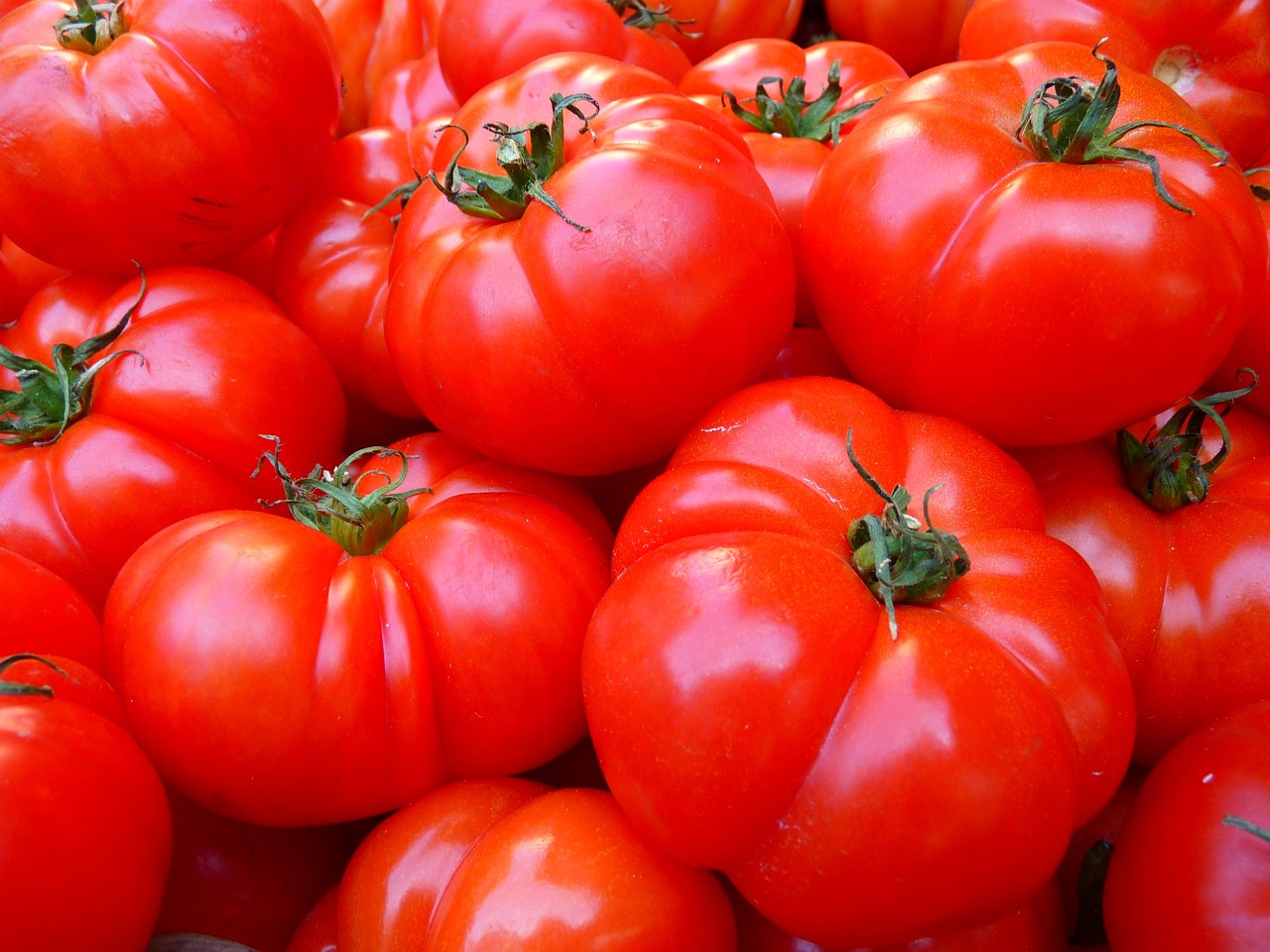
Cultivating Success: A Guide to Growing Tomatoes on Your Farmstead
Tomatoes are a versatile and beloved crop that can thrive on a farmstead with the right care and attention. To embark on a successful tomato-growing journey, it’s crucial to start with quality seeds or seedlings. Opt for disease-resistant varieties suitable for your region, ensuring a robust start to your crop. Prepare the soil by incorporating well-rotted compost or organic matter to enhance fertility and drainage. Tomatoes prefer slightly acidic to neutral soil with a PH range of 6.0 to 7.0. Consider raised beds to further improve drainage and reduce the risk of soil-borne diseases.

Pest management is a key aspect of successful tomato farming. Regularly inspect plants for common pests such as aphids, whiteflies, and hornworms. Employ companion planting strategies, such as interplanting with basil or marigolds, to deter pests naturally. Utilize beneficial insects like ladybugs and predatory beetles to keep pest populations in check.
For larger-scale farms, integrated pest management (IPM) techniques, including the careful use of pesticides, can be employed. However, it’s essential to choose environmentally friendly options and follow application guidelines to minimize harm to beneficial insects and maintain a healthy ecosystem.

Diseases can pose a significant threat to tomato crops, so implementing preventive measures is crucial. Rotate crops yearly to disrupt disease cycles, and space plants adequately to encourage air circulation. Mulching around the base of plants helps prevent soil-borne diseases by reducing contact between the soil and lower leaves. Regularly prune and stake tomato plants to keep foliage off the ground, further reducing the risk of diseases like early blight and fungal infections. Additionally, use disease-resistant varieties and monitor plants closely for any signs of infection to take prompt action.

Having the right tools is essential for efficient tomato farming. Consider tools such as garden forks and spades for soil preparation, drip irrigation systems to provide consistent moisture, and stakes or cages for supporting tomato plants as they grow. Hand pruners are useful for removing suckers and maintaining plant structure, while a pH meter can help monitor soil acidity levels. Implementing a well-designed crop rotation plan and keeping detailed records of your tomato cultivation practices will aid in optimizing future harvests and mitigating potential challenges. By combining these practices and staying vigilant, you can enjoy a bountiful tomato harvest on your farmstead while minimizing the impact of pests and diseases.
Planting and Care:
Tomatoes like warm weather, plant in late spring and early summer except in zone 10, where they are a fall and winter crop. For a head start on growing start Plants indoors a few weeks before last expected frost. Tomatoes need at least 6 to 8 hours of sun to bring out their best flavors. Most tomato plants need a trellis or support system to keep them off the ground. Decide on a support plan before you set out your plants, then add that support directly after planting.
Give plants room to grow. Space robust, long-vined, indeterminate varieties about 3 feet apart. Stockier determinate plants can be grown 2 feet apart. Improve the planting area by mixing in a few inches of high quality garden soil, like compost with the top layer of existing soil.
Tomatoes take up nutrients best with a soil PH of 6.2 to 6.8 and they need a steady supply of nutrients. The best fertilizer source will be organic sourced so it is broken down slowly over the growing season, this will help protect fruit from Blossom Rot, a problem that can occur when the plant isn’t getting sufficient calcium.
To grow strong tomato plants, you can bury a few inches of the plant stem, This will allow the plant to sprout roots along the buried stem, so your plant will be stronger and better able to find water in a drought. Cover the ground with 2 to 4 inches of mulch to minimize weeds and help regulate the soil moisture. Straw or shredded leaves make great mulches for tomatoes. Water regularly, aiming for at least an inch of moisture per week, increase this amount in the summertime. Check the soil, when the top inch gets dry, add some water.



Leave a Reply