
Caliber: Understanding Your Purpose
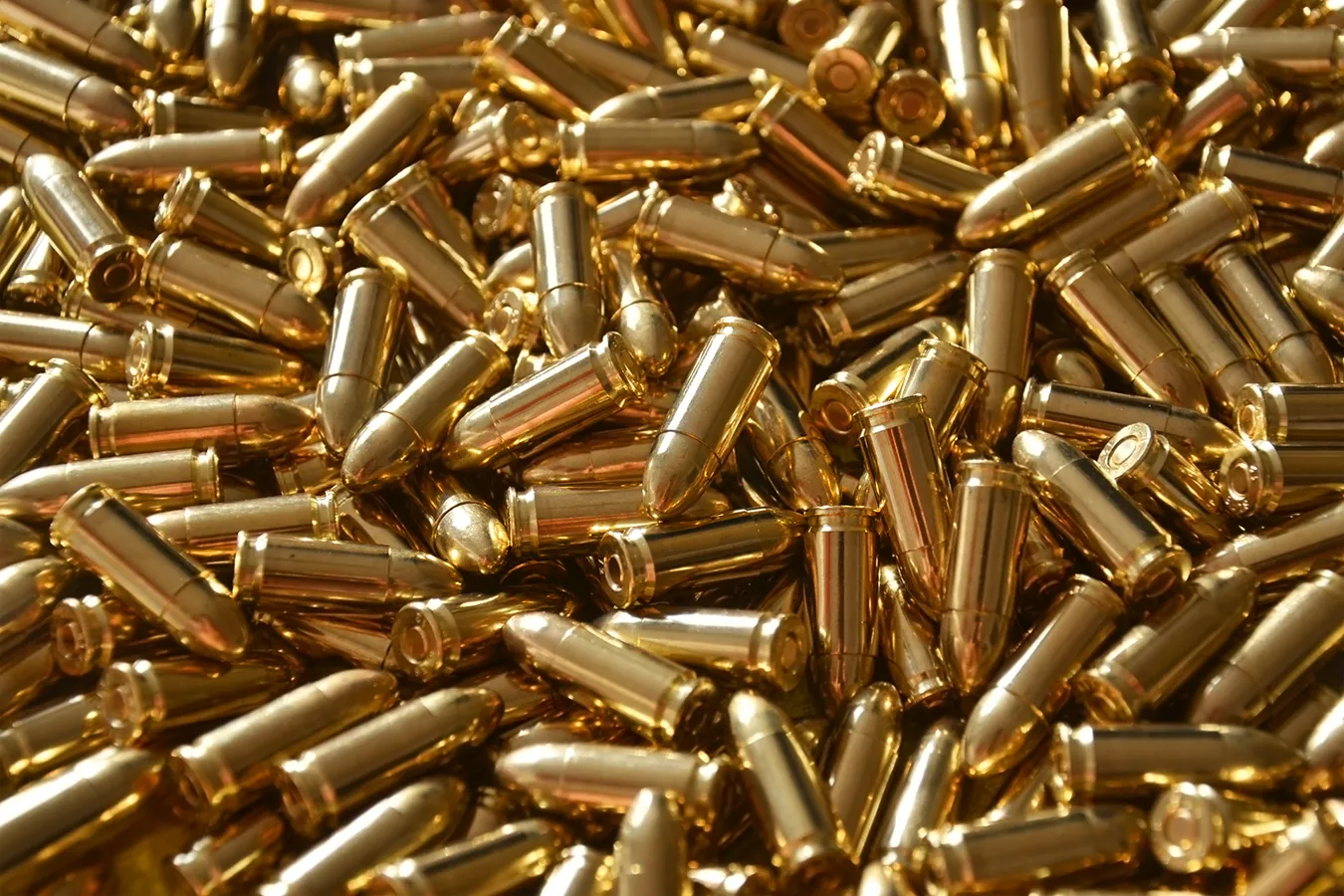
Firearm ammunition comes in a diverse array of types, each designed with specific purposes and characteristics. Understanding the distinctions among these ammo types is crucial for responsible firearm ownership and optimal performance. One of the primary differentiators is caliber, representing the diameter of the bullet. Common handgun calibers include 9mm, .40 S&W, and .45 ACP, each offering a balance of power, recoil, and capacity. In rifles, calibers like .223 Remington or .308 Winchester are prevalent, catering to various shooting applications.

“Never fire a warning shot. It is a waste of ammunition.” Hunter S. Thompson

Defense: Different Applications
Ammunition can also be classified based on its intended use. Hollow-point rounds are designed for self-defense, expanding upon impact to create larger wound channels. Full metal jacket (FMJ) rounds, with a soft lead core encased in a jacket, are commonly used for target practice due to their stable trajectory. Specialty rounds like armor-piercing or frangible ammunition serve specific needs in law enforcement or military contexts. Shotgun ammunition introduces a different dynamic, with various loads like birdshot, buckshot, and slugs. Birdshot is used for bird hunting, while buckshot and slugs are favored for self-defense or larger game hunting.

In conclusion, the world of firearm ammunition is diverse and nuanced. Selecting the appropriate ammo type depends on factors such as firearm caliber, intended use, and the specific needs of the shooter, highlighting the importance of informed decision-making in the realm of responsible gun ownership.




Leave a Reply