
Preparing For The Future
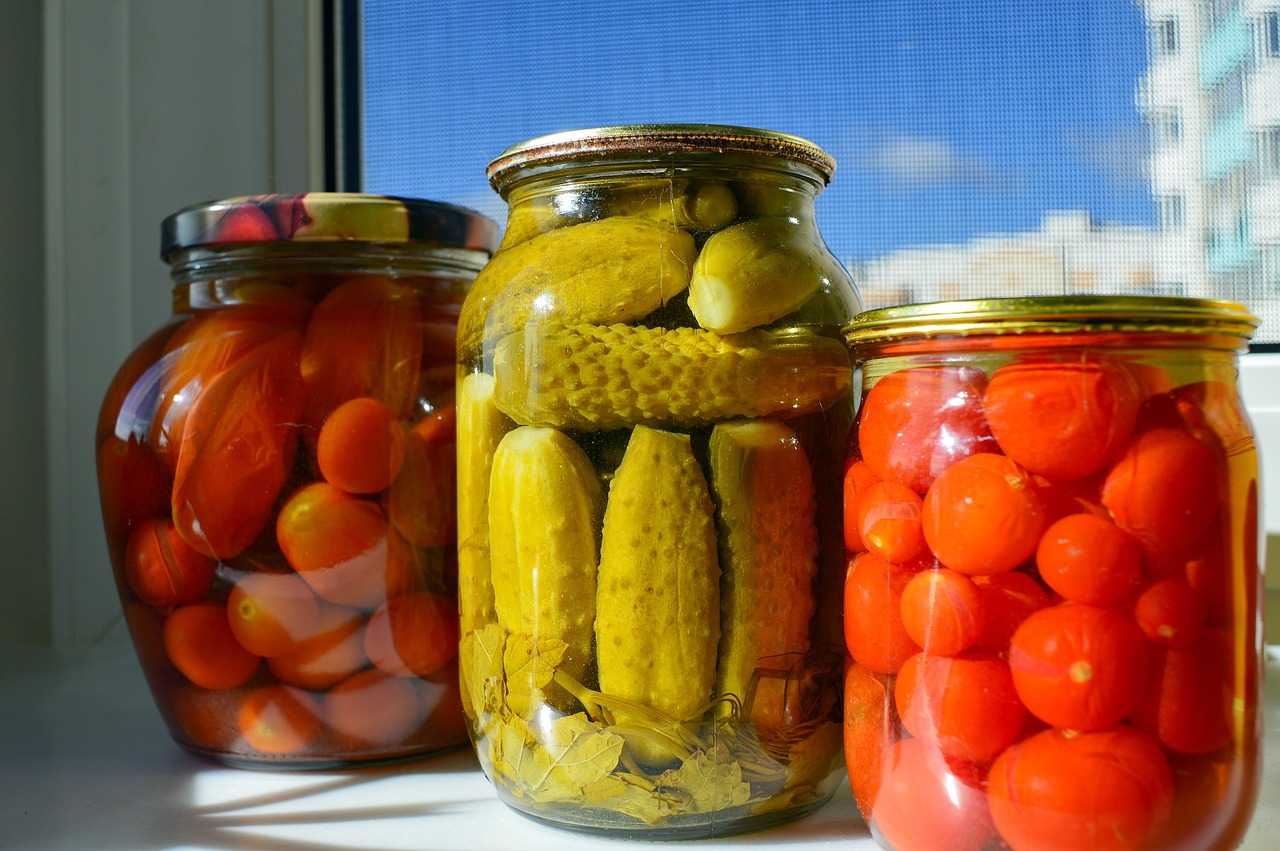
Canning food is a time-honored practice that extends the shelf life of perishable goods, allowing individuals to enjoy the bounty of seasonal produce throughout the year. This preservation method involves sealing food in airtight containers and subjecting them to heat, effectively eliminating or preventing the growth of microorganisms that cause spoilage. Canning not only reduces food waste but also ensures a readily available supply of home-preserved fruits, vegetables, jams, and pickles, even during months when fresh produce may be scarce or more expensive.

One of the key advantages of canning is its versatility in preserving a wide variety of foods. Whether it’s creating flavorful tomato sauces from summer harvests, preserving the sweetness of berries in homemade jams, or pickling cucumbers for crunchy snacks, canning allows individuals to capture the essence of seasonal flavors at their peak.
Additionally, home-canned foods often contain fewer preservatives and additives compared to commercial counterparts, contributing to a healthier and more customizable pantry. Canning is not limited to fruits and vegetables; it also extends to soups, stews, and meats, providing a diverse array of home-preserved options that cater to personal tastes and dietary preferences.

Beyond its culinary advantages, canning serves as a practical and economical way to manage food supplies. By preserving surplus produce when it is abundant and cost-effective, individuals can create a well-stocked pantry, reducing reliance on store-bought goods and contributing to long-term cost savings.
Moreover, canning empowers individuals to take control of their food sources, promoting a connection to local agriculture and fostering a more sustainable approach to consumption. As interest in sustainable living practices grows, canning remains a cherished tradition, embodying the principles of self-sufficiency, waste reduction and ensuring a plentiful food supply when needed.




Leave a Reply