
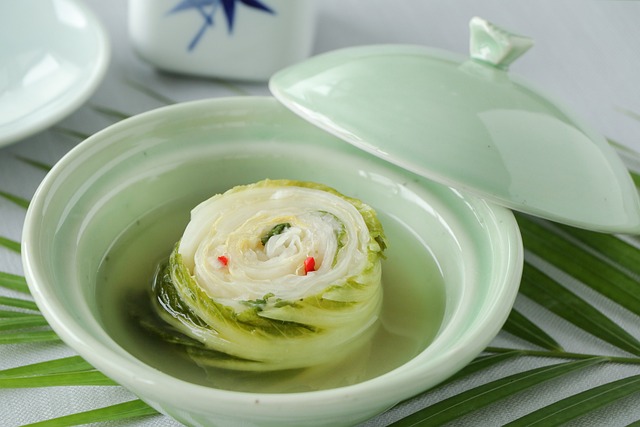
Fermented foods are a fantastic way to preserve fresh produce, enhance flavors, and introduce beneficial probiotics into your diet.
Fermentation is a natural process that transforms vegetables through the action of beneficial bacteria, resulting in nutrient-rich, tangy, and health-promoting foods. Sauerkraut and kimchi are two of the most well-known fermented foods, but there’s a wide world of fermentation to explore. This guide will teach you the basics of fermentation and provide detailed recipes for making sauerkraut, kimchi, and other fermented delights.

1. The Basics of Fermented foods
At its core, fermented foods involve creating an environment where beneficial bacteria, such as Lactobacillus, thrive while harmful microorganisms are kept at bay. This is typically achieved by using salt, which draws water out of the vegetables to create a brine. The brine provides the ideal conditions for good bacteria to ferment the vegetables, producing lactic acid and preserving the food. Properly sterilized equipment, fresh ingredients, and correct salting ratios are crucial for successful fermentation.

2. Recipe for Sauerkraut
Sauerkraut is a classic fermented cabbage dish with origins in Eastern Europe. It’s simple to make and requires just two ingredients: cabbage and salt.
Ingredients:
- 1 medium green cabbage (about 3 pounds)
- 1–2 tablespoons of non-iodized salt
Instructions:
- Remove the outer leaves of the cabbage and set them aside. Cut the cabbage into quarters, remove the core, and finely shred the leaves.
- Place the shredded cabbage in a large bowl and sprinkle with salt. Massage the cabbage for about 10 minutes until it releases its liquid and becomes limp.
- Pack the cabbage tightly into a clean fermentation jar or crock, pressing down firmly to submerge it in its own brine.
- Use the reserved outer leaves to cover the cabbage, weighing it down with a clean fermentation weight or a small jar filled with water.
- Cover the jar with a loose lid or a fermentation lid to allow gases to escape. Place it in a cool, dark place for 1–4 weeks, tasting periodically until it reaches your desired level of tanginess.


3. Recipe for Kimchi
Kimchi is a staple in Korean cuisine, combining fermented cabbage with bold flavors like garlic, ginger, and chili.
Ingredients:
- 1 medium Napa cabbage
- 1/4 cup kosher salt
- 4 cups water
- 1 tablespoon grated ginger
- 4 cloves garlic, minced
- 2 tablespoons fish sauce (optional)
- 2–3 tablespoons Korean chili flakes (gochugaru)
- 1 medium daikon radish, julienned
- 4 green onions, chopped
Instructions:
- Cut the Napa cabbage into quarters and remove the core. Chop into 2-inch pieces.
- Dissolve the salt in water and soak the cabbage pieces for 2–4 hours, flipping occasionally. Rinse thoroughly and drain.
- In a bowl, mix ginger, garlic, fish sauce, chili flakes, daikon radish, and green onions to make the paste.
- Coat the cabbage pieces with the paste, massaging it into the leaves.
- Pack the mixture tightly into a clean jar, ensuring it’s submerged in its juices. Use a weight to keep it submerged.
- Ferment at room temperature for 1–2 weeks, tasting periodically. Once fermented, store in the refrigerator.
4. Experimenting with Other Vegetables
Beyond sauerkraut and kimchi, nearly any vegetable can be fermented. Carrots, cucumbers, radishes, and beets make excellent options. Add herbs, spices, or aromatics like dill, garlic, or mustard seeds to customize flavors. Fermented hot sauce and pickled cauliflower are other creative projects to try.

5. Benefits of Fermented Foods
Fermented foods are packed with probiotics that support gut health, boost immunity, and improve digestion. They’re also rich in vitamins and enzymes, making them a valuable addition to any diet. Plus, fermentation is an eco-friendly way to reduce food waste and preserve seasonal produce.
6. Troubleshooting and Safety Tips
Successful fermentation relies on a clean environment, proper salt ratios, and consistent temperatures. White scum or foam on the surface is harmless yeast, but discard the batch if you notice mold (fuzzy growth in colors like black, blue, or pink). Always use clean utensils and containers to minimize contamination.
7. Storing Your Fermented Foods
Once your fermented foods have reached the desired flavor, transfer them to the refrigerator to slow the fermentation process. Properly stored, they can last for months, continuing to develop complex flavors over time.
Fermenting your own foods is a rewarding process that connects you to traditional preservation techniques while enhancing your diet. With these recipes and tips, you’re ready to embark on your fermentation journey and enjoy the delicious, probiotic-rich rewards.



Leave a Reply