
Finding protein in winter
Ice fishing in winter is an exciting way to embrace the colder months and enjoy a unique outdoor experience on frozen lakes and ponds. With the right preparation and gear, ice fishing allows anglers to access a variety of fish, such as trout, perch, and walleye, that are often harder to catch in other seasons.
Unlike traditional fishing, ice fishing requires drilling a hole in the ice, setting up a fishing shelter for warmth, and using specialized equipment to drop bait into the frigid waters below. This winter activity combines skill and patience with the thrill of reeling in a fresh catch in icy conditions. Whether you’re a seasoned angler or a beginner, ice fishing offers a peaceful yet adventurous way to connect with nature during the winter season.

To get started with ice fishing, you’ll need a few essential tools and equipment to ensure a safe and enjoyable experience on the ice. First, check the thickness of the ice before venturing out; a minimum of 4 inches of clear, solid ice is generally safe for walking, but thicker ice is preferable, especially for groups or if using equipment like ice shelters. Equip yourself with an ice auger to drill fishing holes, as well as a skimmer to remove ice shavings and keep the hole clear.
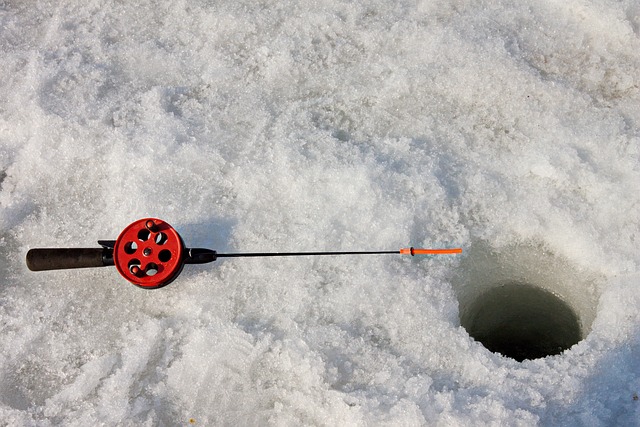
For fishing, use short ice fishing rods and reels, along with jigging spoons or live bait such as minnows or wax worms, which work well in cold water. Dress in layers, with waterproof outerwear, and bring safety equipment like ice cleats, a rope, and a pair of ice picks in case of emergency. Setting up a portable shelter, like a pop-up tent, can also protect you from harsh winter winds and make the experience more comfortable.
Once your hole is drilled and gear is set up, it’s time to start fishing. Drop your baited line into the water, letting it sink close to the lake bottom, where many fish species tend to congregate in winter. Using a slow, gentle jigging motion can attract fish to your bait, as they are generally less active in the cold. Pay close attention to subtle movements on your rod or line, as bites may be light in icy waters. If fish aren’t biting after some time, consider drilling a few more holes nearby and trying different spots to increase your chances of success.
Patience is key, as ice fishing can take time, but catching a fish in these conditions is all the more rewarding. Be sure to check local regulations for ice fishing, as size and catch limits may vary, and always prioritize safety on the ice.

Ice fishing shelters and specialized gear are essential for staying warm, safe, and effective while fishing on the ice. A good ice fishing shelter, like a pop-up tent or flip-over shanty, provides protection from harsh winds and low temperatures, creating a comfortable environment to wait for fish activity. These shelters come in a variety of sizes and can be insulated for extra warmth; many are portable and designed to set up quickly, making them ideal for moving around to find the best fishing spots.
Inside the shelter, anglers use short, durable ice fishing rods and reels, which are easier to manage in close quarters, along with bait options like jigs and live bait that attract cold-water fish. For added comfort, many ice fishers bring portable heaters, fishing electronics like sonar for locating fish, and buckets or chairs to sit on, creating a well-equipped base for a successful ice fishing outing.

After a successful ice fishing trip, cleaning and storing your fish properly is essential for preserving freshness and flavor. Start by cleaning the fish as soon as possible to prevent spoilage; using a sharp fillet knife, remove scales or skin, and gut the fish by making an incision along the belly and removing the entrails. Rinse the fish thoroughly in cold water to wash away any remaining blood or debris.
Once cleaned, pat the fish dry with paper towels and decide on storage: for immediate use, place the fish in a sealed container or plastic bag and store it in the refrigerator for up to two days. For longer storage, freezing is ideal—wrap the fish tightly in plastic wrap or vacuum-seal it to prevent freezer burn, then store it in the freezer where it will keep for several months. Proper cleaning and storage not only keep your catch safe to eat but also help maintain the best texture and flavor when you’re ready to enjoy your fish.




Leave a Reply