
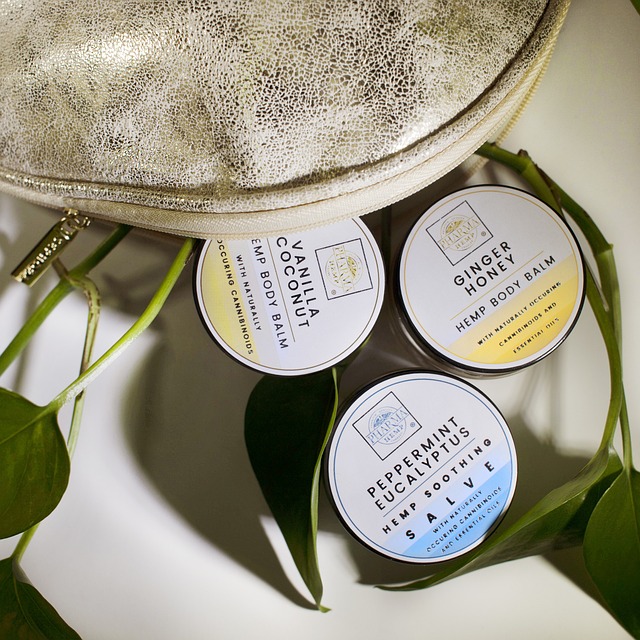
Finding the value in healing salves
Salves are versatile, natural remedies used to soothe, protect, and heal the skin, often made by infusing oils with medicinal herbs and blending them with beeswax to create a semi-solid balm. They are easy to apply and deeply nourishing, making them a popular choice for a variety of skin concerns. Common types of salves include healing salves, made with herbs like calendula and comfrey to treat cuts, scrapes, and burns; pain-relief salves, often infused with arnica or cayenne for muscle aches and joint pain; and moisturizing salves, featuring ingredients like lavender or chamomile to hydrate dry, cracked skin.
Salves are also widely used for soothing insect bites, treating minor infections, or even as a natural lip balm, offering a chemical-free alternative to commercial products. Their simple ingredients and customizable nature make them a must-have addition to any natural first aid kit.

Directions for making your own salves
Making salves at home can be simple and rewards you with natural, customizable remedies for a variety of skin concerns. Begin by preparing an herbal-infused oil, which serves as the base for your salve. To do this, choose herbs based on their properties, such as calendula for soothing skin or arnica for pain relief. Combine dried herbs with a carrier oil like olive, coconut, or sweet almond oil in a glass jar, using a ratio of about 1 part herbs to 2 parts oil. Let the mixture infuse by placing the jar in a warm, sunny spot for 2-4 weeks, shaking it occasionally, or by gently heating it in a double boiler for a few hours to speed up the process. Once infused, strain the oil through cheesecloth or a fine mesh sieve to remove the herbs, leaving behind a nutrient-rich base.

Turning oils into healing saves
To turn the infused oil into a salve, melt beeswax in a double boiler, using about 1 ounce of beeswax for every 4 ounces of infused oil. Once the beeswax is fully melted, add the infused oil and stir until thoroughly combined. At this stage, you can mix in optional ingredients like essential oils for fragrance or additional benefits (e.g., lavender for relaxation or tea tree for antibacterial properties). Test the consistency by placing a small drop of the mixture on a cool plate; if it’s too soft, add more beeswax, or if too firm, add more oil.
Once satisfied, pour the warm mixture into clean, dry tins or jars, and let it cool and solidify at room temperature. Label your salve with the ingredients and usage, and store it in a cool, dark place where it will keep for several months. This homemade process allows you to tailor salves to your specific needs, creating a natural alternative to store-bought products.

Properly storing salves ensures their longevity and effectiveness, keeping them safe to use for months. Salves should be poured into clean, airtight containers, such as tins or glass jars with secure lids, immediately after being made to prevent contamination. Label each container with the ingredients and the date it was made to track freshness. Store the salves in a cool, dark place, such as a cupboard or drawer, to protect them from light, heat, and moisture, which can degrade the oils and beeswax.
For extended storage, especially in warmer climates, salves can be refrigerated to maintain their consistency and preserve the potency of any essential oils or herbal infusions. Always use clean hands or a sterile utensil when scooping out salves to prevent introducing bacteria, which could lead to spoilage. With proper storage and handling, most salves will remain effective for 6 to 12 months.



Leave a Reply